
2026-10-24 · Robert "Bob" Miller
How To Inspect Your Furnace Blower Motor Before Peak Heating Season
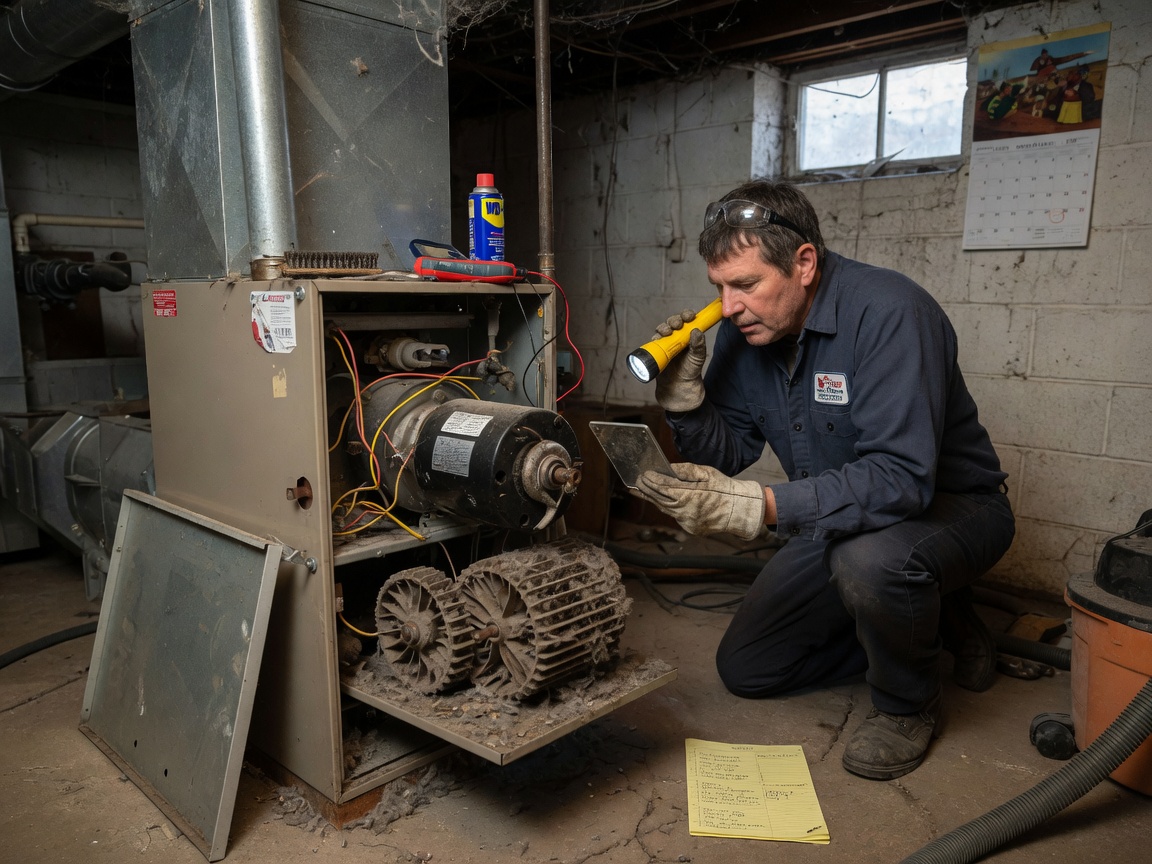
To inspect your furnace blower motor before peak heating season, begin by ensuring the power to your furnace is completely off at the thermostat and the circuit breaker. Then, locate the blower compartment, typically a large metal box at the bottom or side of your furnace. Carefully remove the access panel, which often involves unscrewing a few fasteners or lifting latches. Once inside, visually check the blower wheel for any significant dust accumulation, debris, or signs of damage like bent blades. Also, inspect the motor itself for any visible wear, such as frayed wires or oil leaks, and gently try to spin the blower wheel by hand to feel for resistance or unusual noises. This initial check can help identify potential issues before they escalate, preventing a sudden loss of heat when temperatures drop in Saint Joseph.
Why a Pre-Season Blower Motor Check Matters in Saint Joseph
Saint Joseph's humid continental climate, with its hot summers and cold winters, puts significant strain on HVAC systems year-round. While air conditioning handles the summer heat, the furnace blower motor works hard during the colder months to distribute warmth throughout homes in neighborhoods like Museum Hill and Wyeth Hill. A well-functioning blower motor is crucial for efficient heating and maintaining comfortable indoor temperatures when winter arrives. Ignoring this component can lead to reduced airflow, higher energy bills, and, ultimately, a complete furnace breakdown, leaving you scrambling for an Emergency Furnace Repair when the mercury plummets. Proactive inspection ensures your system is ready to handle the chilly days that often affect Buchanan County, from the North End to the South Side.
Safety First: Preparing for Your Inspection
Before you even think about opening your furnace, safety must be your top priority. The most critical step is to completely cut off power to the unit. Start by setting your thermostat to the "off" position. Then, head to your home's main electrical panel, usually located in a basement, utility closet, or garage, and locate the circuit breaker labeled for your furnace. Flip it to the "off" position. This dual approach ensures no electricity can reach the furnace while you're working inside. Additionally, it's wise to wait a few minutes after cutting power for any residual electricity in the system to dissipate. Always wear appropriate personal protective equipment, such as work gloves, to protect your hands from sharp edges or dust, and consider a dust mask, especially if your furnace hasn't been cleaned in a while.
Locating and Accessing the Blower Compartment
Most residential furnaces in Saint Joseph, whether in a historic home near the Pony Express Museum or a newer build along the Belt Highway, have a similar layout. The blower compartment is typically situated at the bottom or side of the furnace unit. It's often enclosed by a metal access panel, which might be secured with screws, latches, or sometimes just slides into place. You'll usually need a screwdriver (Phillips or flathead, depending on the fasteners) to remove these. Once the fasteners are removed, carefully pull or slide the panel away. Be mindful of any electrical wiring that might be attached to the panel, as some units have safety switches integrated into the door that cut power when opened. If you encounter such wiring, consult your furnace manual or consider professional help.
Visual Inspection of the Blower Wheel and Housing
With the access panel removed, your focus shifts to the blower wheel itself. This large, squirrel-cage-like component is responsible for moving air. Look for any significant buildup of dust, dirt, pet hair, or other debris on the blades. Even a thin layer of grime can unbalance the wheel, reduce airflow, and force the motor to work harder, leading to premature wear and higher energy consumption. Check for any visible damage to the blades, such as bends, cracks, or missing pieces. The housing surrounding the blower wheel should also be relatively clean. Excessive dirt here indicates a dirty filter or a compromised return air duct system. Addressing these issues can prevent strain on your Furnace Blower Motor Repair in the future.
Examining the Blower Motor and Belt (If Applicable)
Next, turn your attention to the blower motor itself, usually mounted directly to the blower wheel or connected via a belt. Look for any signs of wear and tear, such as rust, corrosion, or frayed electrical wires. Pay close attention to any evidence of oil leaks around the motor's bearings, which can indicate failing components. If your furnace has a belt-driven blower (common in older models found in parts of Downtown Saint Joseph), inspect the belt for cracks, fraying, or excessive looseness. A worn belt can slip, reducing airflow, or even break, causing a complete system shutdown. Gently try to spin the blower wheel by hand. It should turn smoothly with minimal resistance and no grinding or squealing sounds. Any unusual resistance or noise could signal a failing motor bearing, a common issue that often requires professional attention.